
Catch-up 2 of 4
Customers: from the first pilots to 15 institutions in 10 countries.
In the first version of ALYT, 113 users played 537 cases. Free pilots showed that teachers want it. Since October every conversation ends in the next question: a plan with a price and a decision date. We also narrowed our focus to fewer, stronger institutions. This chapter shows who they are, how a pilot works and where each one stands.
In this chapter
- 01Every school starts with its own patient
- 02How a pilot works
- 03Where the pipeline stands
- 04What schools taught us
Every school starts with its own patient
We do not open with a demo. A teacher names a patient from their own teaching, we build it, and they review it before a student sees it. That is the step where teachers say yes.
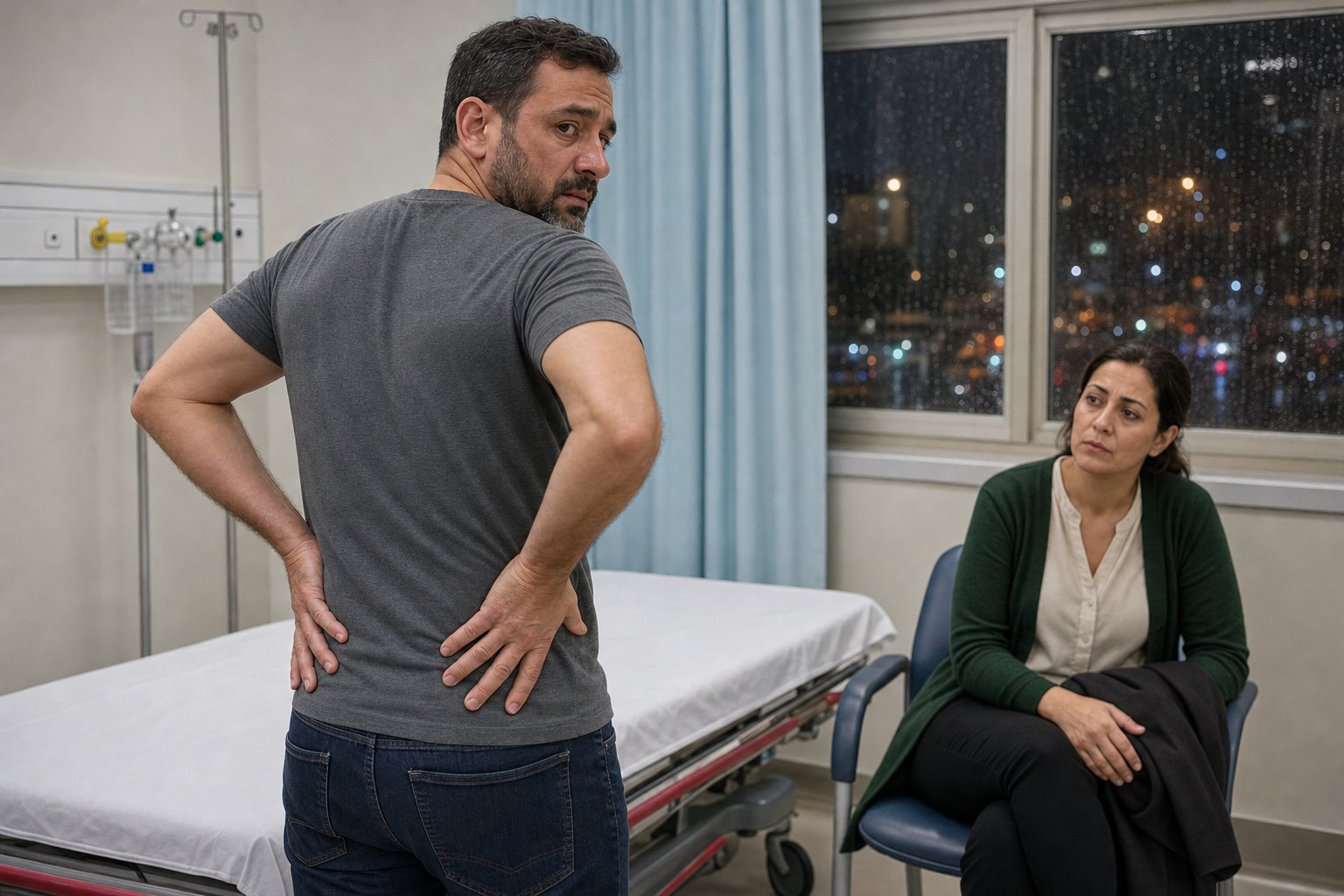
A patient for a national medical university, from its own curriculum.
Brucellosis, common in Turkey and rare in textbooks, for a professor of infectious diseases.
A pulmonary embolism patient for a joint study near São Paulo, and a dengue patient for a private school.
Day three after a knee replacement, for a technical university in Turkey.
Two cases for a training afternoon with about 70 surgical residents.
How a pilot works
A pilot is short, starts free and ends in a decision. Our rule since October: after every call, a plan with a price within 48 hours.
Built from their teaching, reviewed by them first.
A few weeks for a group of students, in their own environment.
A yearly licence per school, with a decision date.
Schools that sign this year keep their rate for three years.
Where the pipeline stands
15 institutions in 10 countries. None has signed yet. Three have a priced proposal on the desk, and the first decision is due on 4 December.
Brazil, Ecuador, Colombia and Argentina. In Brazil a partner university is setting up our first randomised study with us.
A leading university hospital, and universities in Albania and Kosovo.
A private medical school in Istanbul and a technical university with a physiotherapy programme.
A national medical university with a priced proposal, and two universities in Kazakhstan.
What schools taught us
Teachers say yes quickly. Turning a yes into a budget takes the person who decides and a budget cycle, and students start when a teacher sets the work.
Every conversation now asks who decides, and when next year's budget is set.
Private schools that teach in English and run a simulation centre, reached through our Medical Director's network.
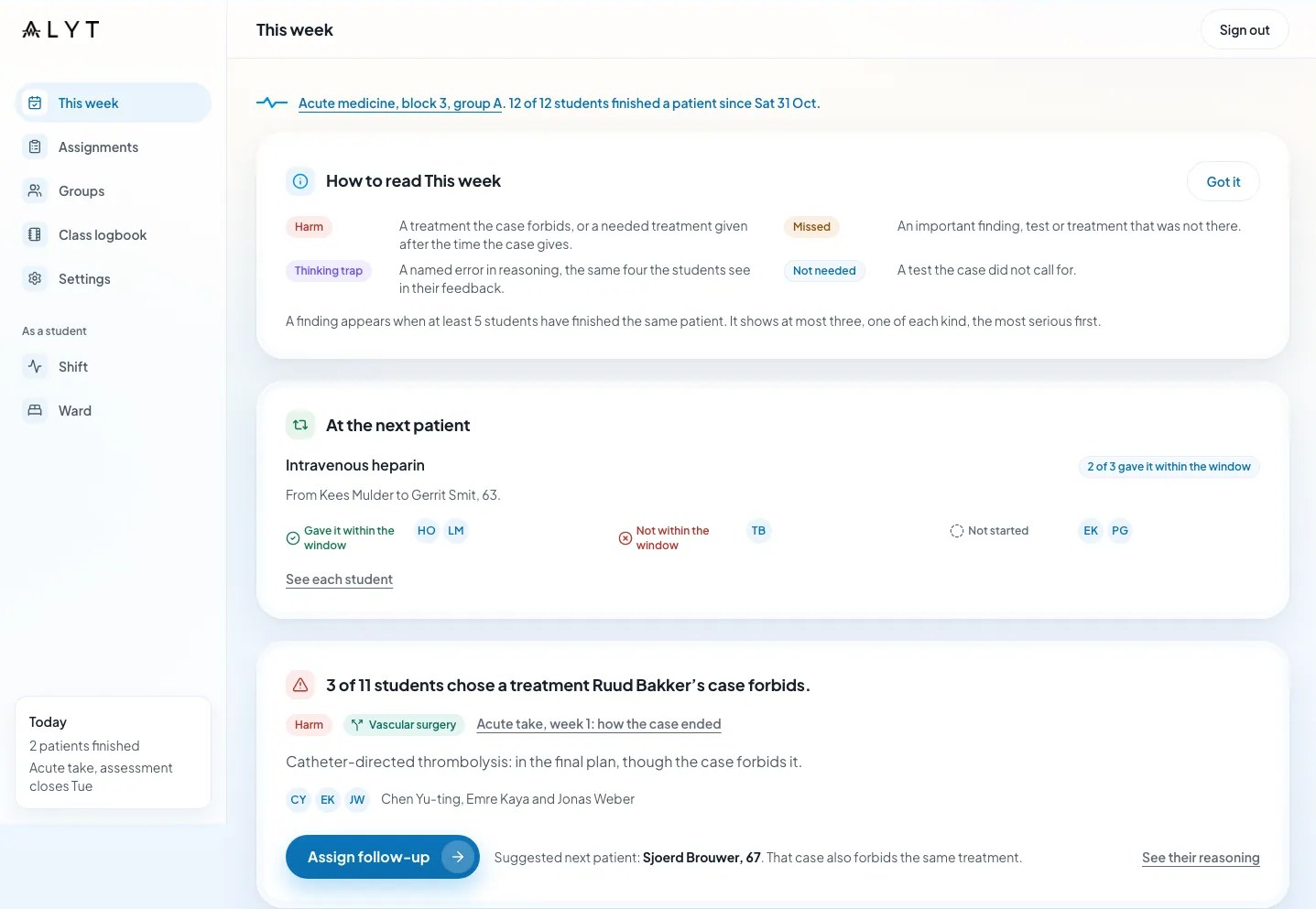
The teacher dashboard gives a whole group the same patients, a close date and a weekly view.
A larger, targeted outreach to institutions in Europe and the US.
What comes next
Next week, catch-up 3 of 4: evidence and team.